Nearly three-quarters of new luxury chalets planned for 2026 now come with smart energy management systems built in. This isn’t just a trend-it’s a shift in what defines value in Alpine real estate. Buyers aren’t just looking for panoramic views or ski-in access; they want homes that are efficient, future-proof, and aligned with modern lifestyles. As Morzine evolves, so do the expectations of high-net-worth investors. Understanding these shifts is key to identifying where the strongest capital appreciation and rental yields will emerge in the coming year.
Anticipating high-end demand in the Portes du Soleil
The luxury segment in Morzine is no longer defined solely by square footage or proximity to slopes. Today’s discerning buyers are prioritizingenergy performance and long-term sustainability. Properties featuring triple-glazed windows, heat recovery ventilation, and low-carbon heating systems are commanding premiums. This marks a clear departure from the past, where aesthetics often outweighed efficiency. Now, eco-conscious design isn't a niche preference-it’s a baseline expectation for prestige homes.
The rise of eco-conscious Alpine living
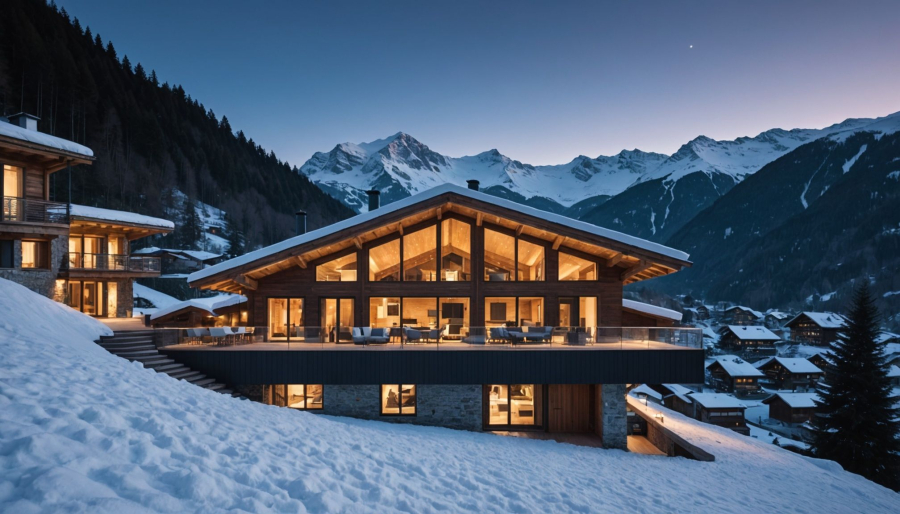
Modern chalets are being designed with environmental impact in mind, integrating solar panels, rainwater recovery, and passive solar architecture. These features aren’t just marketing points-they directly influence operating costs and appeal to environmentally aware tenants. Serious investors are closely watching the evolution of the luxury property market in Morzine to seize the best opportunities before the 2026 season. This shift also aligns with broader regulatory trends in France, where energy ratings are increasingly tied to rental eligibility and tax implications.
A focus on dual-season profitability
Investors are no longer banking on winter rentals alone. The most profitable assets in 2026 will be those that attract summer guests as well. Properties with extensive outdoor living spaces, bike storage, and proximity to hiking or mountain biking trails are outperforming the rest. This dual-season model boosts annual rental yield optimization and reduces vacancy periods. For developers and buyers, this means designing with year-round use in mind-something that’s reshaping architectural priorities across the valley.
Investment priorities for luxury buyers in 2026
Today’s luxury buyers are making decisions based on a blend of lifestyle and financial logic. While emotional appeal still matters, it’s now balanced with hard metrics like tax efficiency, maintenance costs, and long-term asset protection. Location remains paramount, but so do functional features that support both private use and high-end rental performance.
Strategic locations in the village center
Properties within easy walking distance of the Super Morzine or Pleney lifts continue to deliver the strongest capital appreciation. This “walk-to-ski” advantage isn’t just convenient-it’s a proven driver of resale value. Tenants are willing to pay more for the ability to step outside and be on the slopes in minutes, especially during peak season. These central plots are also finite, which adds a layer of scarcity that protects long-term value.
New builds vs. historic renovations
New constructions offer the advantage of lower notary fees-often around 2.5% instead of 7.5%-thanks to VAT recovery under the VEFA system. They also come with modern compliance and energy standards. On the other hand, restored chalets with authentic woodwork and stone facades offer charm and character that new builds can’t replicate. The choice often comes down to whether the buyer prioritizes tax efficiency and ease of management or heritage and aesthetic uniqueness.
- Proximity to ski lifts - key for tenant demand and premium pricing
- VAT recovery potential (LMNP status) - improves cash flow for investors
- Internal wellness facilities (spa, sauna) - high-impact amenities for luxury renters
- High-speed connectivity for remote work - increasingly expected by high-end guests
- Sustainable heating systems (geothermal) - reduces costs and aligns with regulations
Market segments and price performance
Despite economic fluctuations, demand for large family chalets in Morzine remains resilient. These properties-typically five bedrooms or more-cater to multigenerational groups and high-budget holidaymakers. They represent a stable segment of the market, with strong repeat rental patterns and limited supply. Many are now being designed with flexible layouts, allowing for private family use or subdivision into rentable units.
Large-scale family chalets
Buyers in this segment are less sensitive to price per square meter and more focused on total experience-privacy, views, and bespoke finishes. These chalets often include dedicated playrooms, cinema rooms, and staff quarters, making them ideal for luxury rental operators. Their size also allows for staggered occupancy, increasing annual utilization. While they require higher upfront investment, their long-term rental yield optimization potential is among the highest in the region. With limited land available for new builds, existing large properties are becoming increasingly rare-and valuable.
Comparative outlook for Morzine sub-sectors
Not all neighborhoods offer the same return profile. Choosing the right sub-sector depends on investment goals: immediate rental income, long-term appreciation, or a balance of both. Below is a comparison of three distinct areas, highlighting their current positioning and 2026 outlook.
Identifying value in 2026
| Neighborhood | Dominant Style | Projected price range | ROI potential |
|---|---|---|---|
| Center | Modern boutique residences & renovated chalets | €12,000-€18,000/m² | High - strong tenant demand, short vacancy periods |
| Les Prodains | Luxury new builds with panoramic views | €9,500-€13,000/m² | Medium-high - growing popularity, slightly longer access |
| La Manche | Traditional chalets, some renovation potential | €7,000-€10,000/m² | Medium - lower entry cost, higher upside with upgrades |
The center remains the premium choice, but Les Prodains offers a compelling balance of price and performance. La Manche appeals to investors looking for value-add opportunities through selective refurbishment. Each zone has its niche, and the smartest strategies often involve diversifying across segments to hedge risk.
The long-term appeal of Haute-Savoie real estate
What makes Morzine a durable investment isn’t just its scenery or ski access-it’s the structural scarcity of developable land. The village is hemmed in by protected forests and steep terrain, meaning new construction is tightly controlled. This finite supply acts as a natural floor for prices, even during economic downturns. Unlike urban markets, where oversupply can crash values, Alpine luxury real estate benefits from built-in constraints.
Stability in the prestige market
High-end buyers aren’t chasing short-term flips; they’re seeking legacy assets. A chalet in Morzine is often passed down or held for decades. This long holding period dampens volatility and supports steady appreciation. Add in the region’s enduring appeal to international buyers-particularly from the UK, Belgium, and Switzerland-and the market shows remarkable resilience. Exclusive locations with unobstructed views or private access will continue to command premiums, making them a safe haven for wealth preservation. It’s not just about owning property-it’s about securing a timeless asset in one of the most coveted mountain destinations in Europe.
Most common questions
Are there specific zoning changes planned for Morzine in 2026 affecting luxury developments?
Morzine’s urban planning rules (PLU) strictly limit new construction to preserve the village’s character and environment. Land scarcity and protected zones mean most new developments will be renovations or infill projects, not large-scale builds. This scarcity helps maintain property values over time.
What is the alternative for buyers priced out of the Morzine center for 2026?
Buyers looking for value can consider nearby villages like Saint-Jean-d’Aulps or Essert-Romand. These areas offer easier access to Morzine while providing lower entry prices and potential for appreciation as connectivity improves and demand spreads beyond the core resort.
What happens after the purchase regarding property management for high-end rentals?
Most luxury owners partner with specialized rental agencies offering concierge services, maintenance, and guest coordination. These firms ensure high occupancy rates and protect the property’s condition, maximizing both comfort and return on investment.
